
Risk follows context
Controls should reflect the information, service criticality, users, exposure and operating environment involved.
Capability 03
Design technology foundations that can scale without losing control.
ES-SEBAIY helps organisations make architecture, cloud, security, reliability and continuity decisions as one connected system, so critical platforms remain understandable, governable and fit for long-term operation.

Mandate context
Technology risk rarely belongs to one component. Architecture affects security; cloud decisions affect cost and continuity; integrations affect exposure; weak observability delays response; accumulated shortcuts make change progressively harder.
ES-SEBAIY brings these dependencies into one assurance view. The objective is not to eliminate all risk or prescribe one infrastructure model. It is to make critical decisions, responsibilities and controls explicit, then strengthen the organisation's ability to prevent, detect, respond and recover.
A dependable foundation is one the organisation can understand, operate and recover under pressure.
Assurance principles
Controls are selected from the service context, operating model and evidence. They are not added as a generic technical checklist.
Controls should reflect the information, service criticality, users, exposure and operating environment involved.
Architecture should clarify boundaries, ownership, data movement, dependencies and the consequences of change, not only produce diagrams.
Prevention matters, but dependable operation also requires detection, response, restoration and learning after disruption.
When this capability is relevant
The mandate may begin before a cloud move, during platform modernisation or when existing risk, ownership and continuity can no longer remain implicit.
A critical platform is being designed, modernised or moved to cloud infrastructure.
System complexity has grown without clear architecture ownership or documentation.
Security, performance or availability concerns are delaying confidence in release or scale.
Cloud cost, configuration and operating responsibility are not sufficiently visible.
Legacy dependencies or fragile integrations create continuity risk.
Teams lack observability, incident readiness or a controlled recovery approach.
Leadership needs an independent architecture, security or resilience review.
Procurement or transformation decisions require clearer non-functional requirements and assurance gates.
Executive outcomes
The objective is greater control and operational confidence, not the impossible promise that all technology risk can disappear.
Visible system boundaries, dependencies, responsibilities and decision rationale.
Infrastructure choices aligned with workload, security, cost, operating capability and continuity needs.
Prioritised security and resilience controls based on context and risk, not an undifferentiated checklist.
Better monitoring, incident visibility, recovery readiness and ownership of critical services.
A foundation that can evolve without compounding avoidable complexity and risk.
What ES-SEBAIY may address
The combination is shaped by service criticality, exposure, evidence and accountability. Not every mandate requires every area.
System boundaries, components, dependencies, data flows, integration patterns and technical decision records.
Workload placement, environments, identity, networking, deployment, scaling, cost visibility and operating responsibility.
Threat-informed review of access, data protection, application exposure, integrations, configuration and delivery controls.
Monitoring, logging, tracing, service health, failure visibility, capacity and operational response.
Identification and treatment of application, database, infrastructure and integration constraints affecting speed or scale.
Critical-service dependencies, backup and restoration assumptions, recovery priorities, incident readiness and resilience testing.
Engagement structure
Evidence, decisions, controls and ownership remain connected throughout the mandate so that improvements can be sustained.
Confirm services, information, users, dependencies, risk tolerance and accountability.
Assess architecture, cloud, security, reliability, performance and available operational evidence.
Distinguish structural issues from symptoms and rank action by impact and feasibility.
Define target architecture, remediation, cloud or resilience improvements and assurance gates.
Test assumptions, document ownership, improve observability and establish the continuing review path.
Potential outputs
Outputs depend on the mandate and do not represent certification, legal compliance or a guarantee that incidents will not occur.
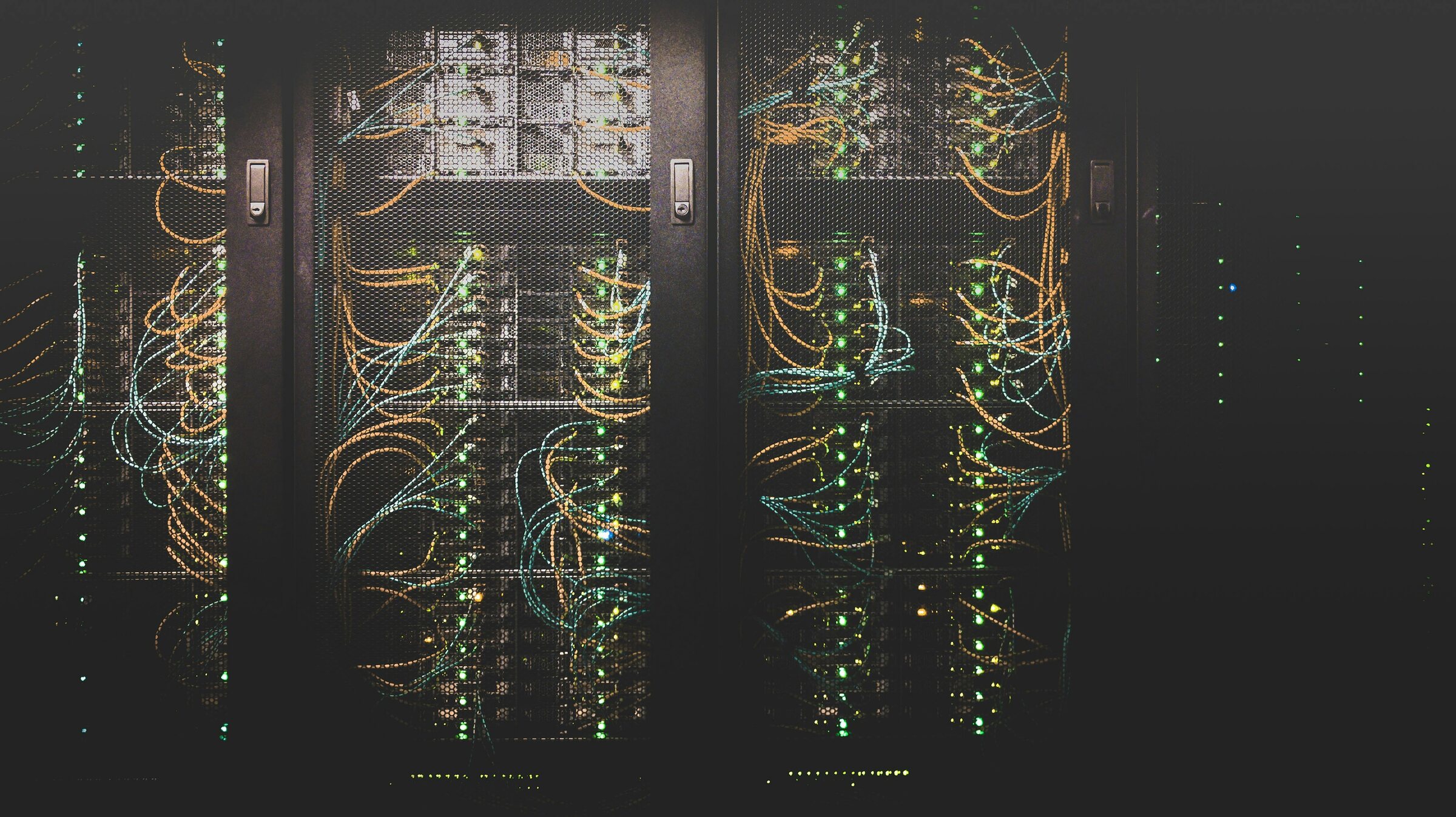
Operational resilience
Resilience is broader than prevention. Critical dependencies, service health, escalation responsibility and recovery assumptions must remain visible when normal operation is disrupted.
ES-SEBAIY connects architecture decisions with observability, incident readiness, restoration and the continuing ownership required after improvements are introduced.
Cyber-resilience boundary
ES-SEBAIY provides technical security and resilience advisory within the defined mandate.
Security architecture, technical-risk assessment, resilience controls and assurance guidance defined by the agreed system context.
Formal certification, regulated audit authority, penetration-testing accreditation, managed security operations or guaranteed protection.
Where specialist testing, legal interpretation or regulated assurance is required, the need should be stated clearly and handled through an appropriately qualified party.
Start with the system context
If architecture is unclear, cloud responsibility is fragmented or critical services carry unmanaged risk, begin with the system context. We will help identify the decisions, evidence and controls required for a credible next step.
imadeddine@es-sebaiy.comRabat, Morocco